Why I Started, and What the Last Eight Months Have Been Like
Amy Wang-Hiller, Founder and Executive Director, InclusiVibe Foundation
I already shared my story. But this is why I started this whole journey as a founder and what the last eight months have been like. I don't know if I can share that. But that's what I'm going to do.
I never knew how hard it was. I just knew that I wanted to do it.
When I came back from surgery, I had complications with my respiratory failure. I felt like my world and my old self disconnected for a second. I never thought it would be that hard to get your provider to believe your symptoms after a year and a half of respiratory failure and 24/7 ventilator support. They knew the mechanical cause was consistent. They told me my blepharospasm was brainstem involvement. But then this, "I can only suggest psychiatry," or the wording of "not full effort," makes no sense to me.
I felt lost in finding the right care locally. Often, the persuasion is so strong that even your family wants to believe the good outcome, that something is just functional, as a step into the right care. After I came out of surgery, with the sudden disappearance of the tinnitus that had been shouting through the night and with the occipital neuralgia suddenly gone, I understood why my previous partner stands her ground in advocacy for patients with complex neurological conditions. I understand why I have to fight to win the battle, to win the care pathway, so I can live as well. Maybe this comes from a selfish place of wanting to save myself. But I also wanted to save everyone else at the same time. Nothing about us without us.
I also didn't know what was the right thing to share at that moment. When you are one of the people this has happened to, and you are trying not to treat yourself as a victim, while the voices of others are affecting you, you suddenly become someone carrying such a heavy weight.
I felt like I lost my voice on the internet for a while. Even when I shared things, it was like shouting from the rooftops, trying to build my confidence and fake it to get through. Looking back at my photos, I realize I am so much different than I used to be. It's so hard to even find the confidence to share online. I've been doing it consistently since 2021 because I didn't want to disappear without any proof of how sick I was each day. I didn't want to vanish and leave nothing to show my symptoms or how my day really went, because in the clinic, it’s so hard to capture what that picture truly looks like, all the stepwise decline. It's so difficult for them to understand it's not just a steady progression.
This is where I started: the Hidden Diagnoses Impact Podcast
I started the podcast under my own LLC Media. About ten episodes. Things got stuck because of my health. When I came back, I decided I was no longer going to wait for just doing the podcast. It's needed. Because if I go into the hospital again, I do not know if I will survive or not.
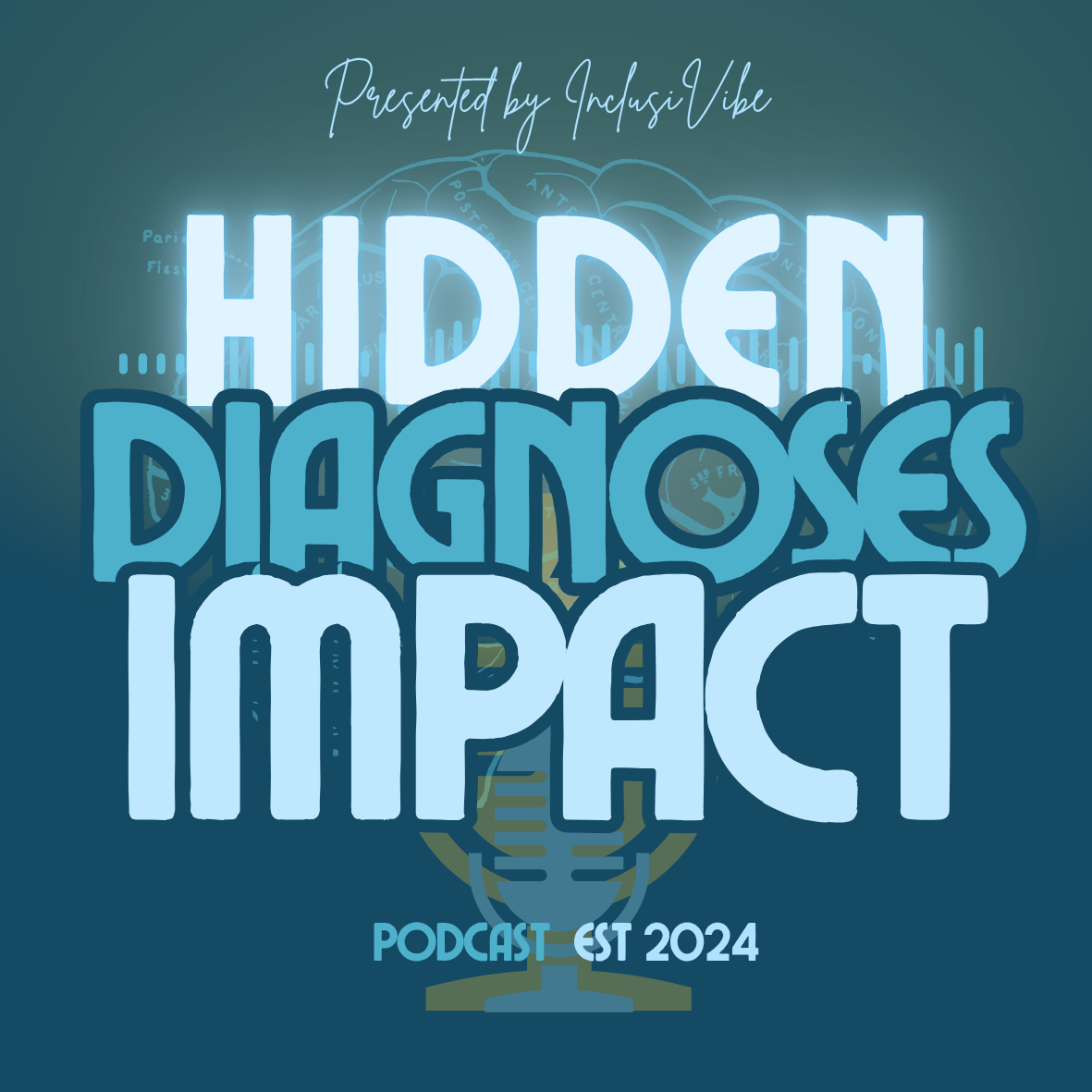
Hidden Diagnoses Impact: Unveiling EDS, CCI, and Beyond
"It’s the same mission and vision. I was hoping the physicians would hear us and would advocate for us. I know it's hard with complex conditions. When it's unknown and undiagnosed, but we are still a community of people affected by debilitating symptoms. It's hard to hide your daily reality with a smile, just because we need to survive."
— Amy Wang-Hiller, Founder of InclusiVibe Foundation and host of the podcast “Hidden Diagnoses Impact“
If there's no understanding of these conditions, about people with connective tissue issues causing spinal problems while the immune system is thrown off, and other complex layers that no one can fully untangle, yes, it is complicated. That's why doctors need to spend time or at least try to understand your symptoms. Some cases are severe; others are mild, and some fall in between. It can be very hard for patients to say no to trying other treatments instead of seeking the care and pathway that truly fits their condition.
As I talked with more people with craniocervical instability, I realized how wide the treatment gap really is, and how many people are seeking options beyond surgery, not because surgery is wrong, but because of access, cost, and not knowing where to start. I realized how much of a financial hurdle it is. An emotional hurdle that does not really get understood.
When are we actually going to have understanding from the public, while we are doing this work?
I can only have faith. At least some people understand how hard it is for each individual patient and wait until magic happens. But honestly, I want to give most of the credit to the team, to the people who truly believe in the work, and to the Medical Advisory Board we are starting to form. It's incredible to see that, to give patients credibility. So it will take time, as we are not rushing it. We do want to see progress.
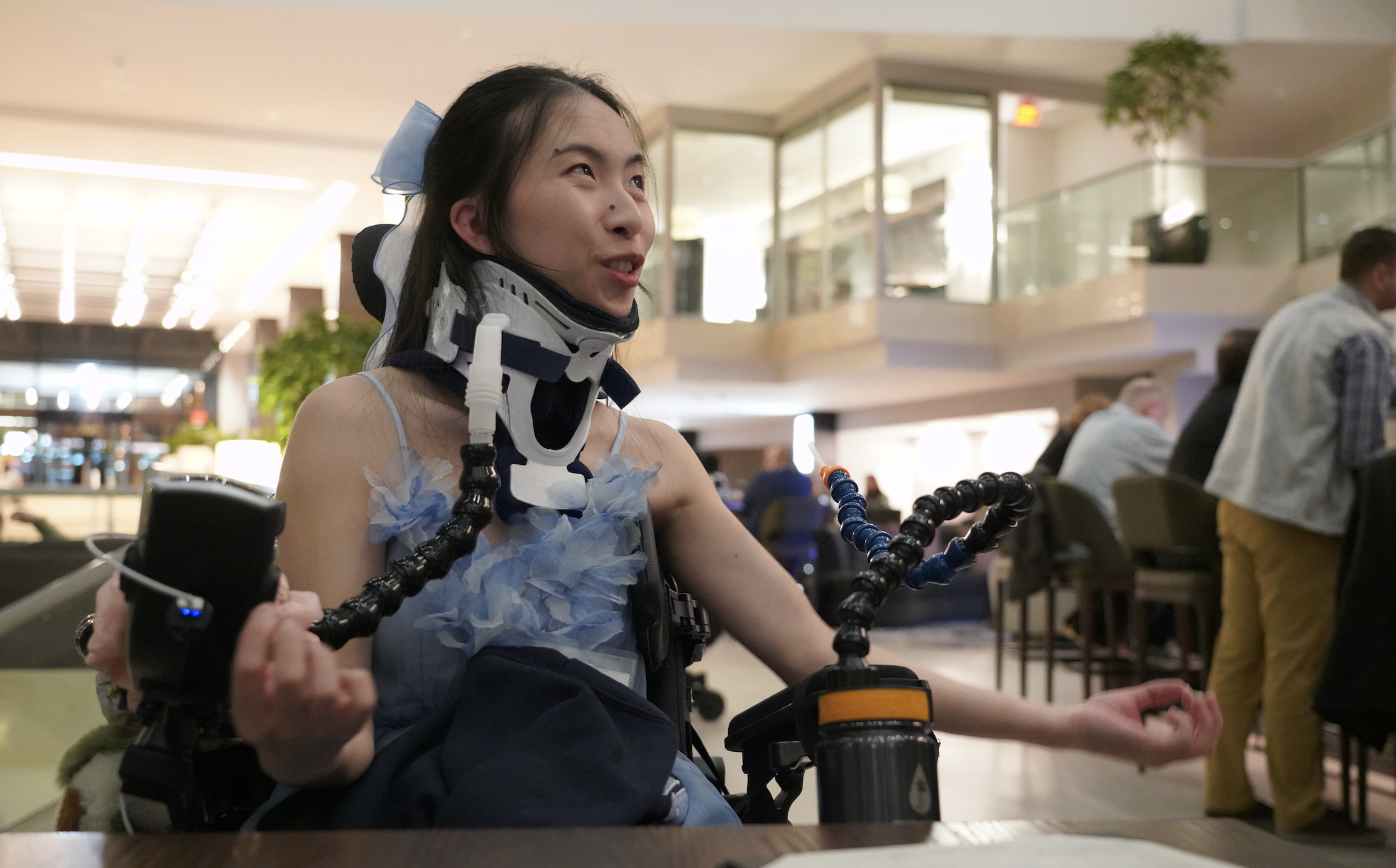
Speaking Up takes Courage, One Community gives Us the Courage.
My drive for advocacy back in Mar during the Reeve Summit was no doubt the highest. I know it’s hard. But when it’s with a community, it’s much easier to speak up. And I do believe it takes a community effort. Would we be the ones to save us?
I hope the answer is "Why not?"