

Community Education & Connection
A community space for patients, caregivers, and artists living with complex brainstem and spinal conditions.
Peer Support Circle
Virtual Sessions — Zoom (Eventbrite)
Every other Sunday, 4 pm CST
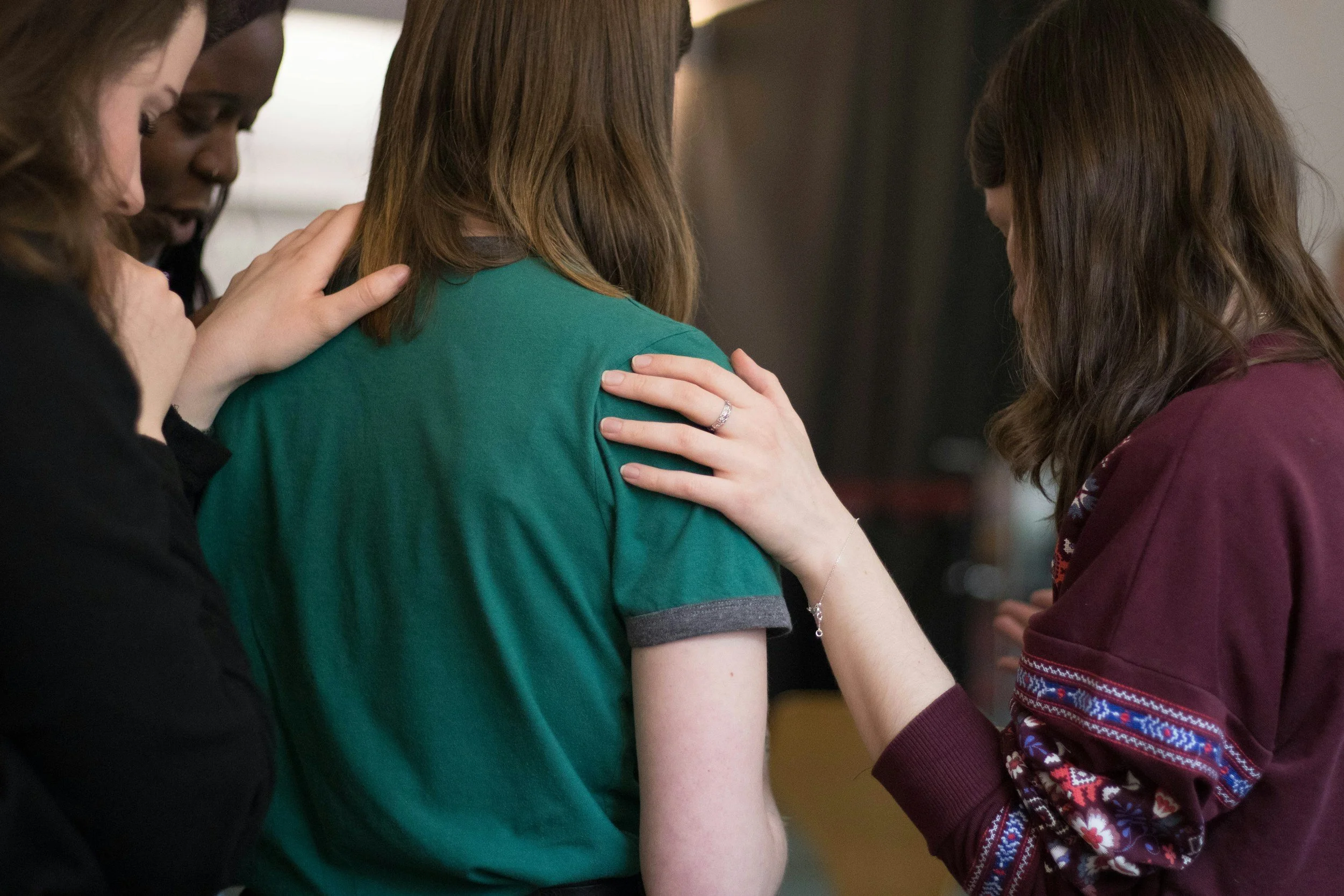
The Peer Support Circle is InclusiVibe Foundation's first peer support program — a three-session virtual series for individuals living with neurocomplex and hereditary connective tissue conditions. Each session is facilitated by a licensed psychotherapist and designed to offer a space for honest conversation, psychosocial support, and connection with others who understand.
This is not a clinical education program. Sessions are focused on the lived experience: grief, identity, belonging, and the ongoing work of navigating a world that was not built with your body in mind.
Session topics:
Session 1 — Self-Advocacy without
Exhaustion, Resilience
April 26, 2026
Session 2 — Grief: Struggling in Plain Sight
May 24, 2026
Session 3 — Self-Care: With Daily Symptoms
Jun 7, 2026
Session 4 —
Jun 21, 2026
Session 5 – Relationship
July 5, 2026
Session 6 –
July 19, 2026
Session 7 - Get the Needs
Aug 9, 2026
Join our community:
Our community meets you where you are through the InclusiVibe Collective Facebook group
Connect with peers
Join topic-based spaces and threads with others facing similar symptoms, procedures, and day-to-day barriers.
Sign up for Neurocomplex Peer & Psychosocial Support Circles
Reserve a spot in facilitated virtual circles for patients, caregivers, and artists focused on ambiguous loss, appointment prep, documentation, burnout, and adaptive living.
IN THE FUTURE:
Access curated resources
Find plain-language guides, checklists, and tools related to brainstem/CCI, tethered cord, dystonia, paralysis, and complex diagnostic journeys.
Stay up to date on programs & events
Get updates on ConcertStories performances, podcast episodes, workshops, and advocacy opportunities hosted by InclusiVibe Foundation.
Share lived experience that can shape better care
Optional prompts and feedback forms let you share patterns, questions, and barriers you’re facing. These de-identified insights help inform our education, advocacy, and research briefs.